
Source :https://www.snexplores.org/article/chocolate-flavor-bacteria-yeast
+ CSFL LinkedIn post (December 31, 2025)
This topic can be directly linked to our training modules on chocolate (CAP Pastry diploma) and on microorganisms (yeasts and sourdough), which are essential elements of fermentation and pastry recipes involving chocolate.
Here is a short, clear, and engaging article, perfectly suited for social media posts (Instagram, Facebook, LinkedIn). The tone is accessible, narrative, and engaging.
Fruity, floral, nutty… The flavor of chocolate can vary enormously from one bar to another. For a long time, it was believed that everything depended on the cocoa variety, the soil, or the climate. But science has revealed a key — and often invisible — player: the microorganisms involved in fermentation.
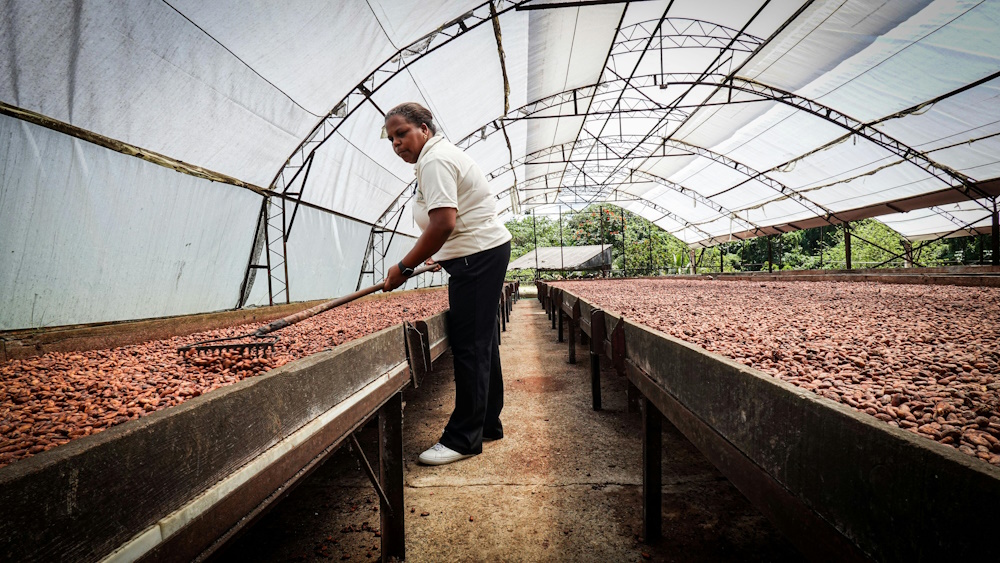
Researchers have shown that the fermentation of cocoa beans — driven by wild yeasts and bacteria — has a greater influence on the final flavor of chocolate than the cocoa tree’s DNA itself. In other words: microbes create the aromatic magic.
The speed at which temperature and pH evolve, as well as the moment when each microorganism becomes active, are decisive. A slight shift… and the flavor changes.
Scientists have succeeded in reproducing certain fine chocolates using carefully selected microbial blends. The result: aromas very close to the original… but still slightly less complex than those produced by natural fermentation.
While science opens the door to “custom-designed” flavors, many chocolatiers remain skeptical. For them, the richness of chocolate comes precisely from the natural diversity of local microbes and human expertise.
Behind every square of chocolate lies a living ecosystem. The next time you taste a chocolate bar with floral or fruity notes, remember: billions of microorganisms worked for your pleasure 🍫
If you wish, I can also offer you:
Perfect 👍 Here are the 3 versions, one after the other:
🍫 The taste of chocolate is mainly created during fermentation: microbes produce the aromas.
🍫 Did you know that the taste of chocolate
does not depend only on cocoa?
🦠 Yeasts and bacteria
from fermentation create
fruity, floral, and nutty notes.
👉 Without microbes, there is no exceptional chocolate.
🍫 Behind every exceptional chocolate, there is invisible work… the work of microbes.
Yeasts and bacteria transform cocoa beans and create the unique aromas we love.
#Chocolate #Fermentation #ScienceOfTaste #Cocoa #Craftsmanship #ArtisanChocolate #Microbiology
If you wish, I can also create a CAP Pastry version, very educational, or a series of posts over several days.
Here is a CAP version, educational, clear, and directly usable in training (neutral tone, accessible vocabulary):
The taste of chocolate is not only linked to the cocoa variety or the climate.
It largely depends on an essential stage: cocoa bean fermentation.
Fermentation is a natural process carried out by microorganisms (yeasts and bacteria) present on the beans and in the environment.
The duration of fermentation, temperature, and pH changes directly influence the aromatic quality of chocolate.
Poorly controlled fermentation results in chocolate that is flat or unbalanced.
If you wish, I can also offer you:
✔ a CAP memo sheet
✔ True / False questions
✔ a link with fermentation in bakery/pastry
Here are the 3 CAP educational formats, ready to use in class 👇
(clear, structured, accessible vocabulary)
Cocoa bean fermentation is essential for developing chocolate aromas.
Formation of aromas:
👉 The taste of chocolate depends as much on fermentation as on the bean itself.
As with:
👉 microorganisms transform raw materials and create flavor and texture.
🧑🍳 Professional application
Mastering a fermentation process means:
If you want, I can also:
✔ adapt this to first-year CAP level
✔ transform it into course slides
✔ create a short graded assessment
