Why is gastronomy the secret weapon of the greatest diplomats?
“You can’t conduct good diplomacy without good lunches.”
This phrase by Charles-Maurice de Talleyrand was not just a gourmet’s whim, but a true strategy of state.
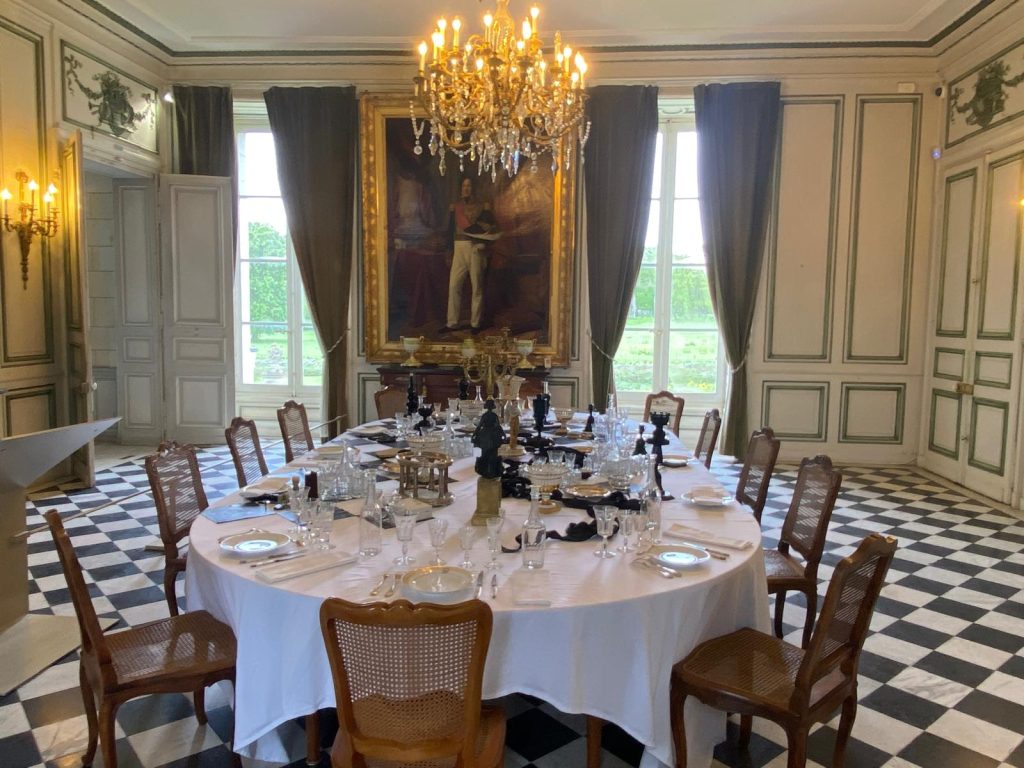
While Napoleon Bonaparte required him to host four dinners of 36 guests per week with the most influential figures in Europe, Talleyrand turned French culinary art into a powerful tool for negotiation. His goal? To learn far more about his counterparts than through formal discussions alone.
The alliance of political genius and culinary genius:
To support this ambition, Talleyrand relied on a major ally: Antonin Carême, nicknamed the “King of Chefs and the Chef of Kings.
· Innovation: Carême used his knowledge of architecture to create spectacular pièces montées, while reinventing the foundations of modern cuisine.
· Influence: During the Congress of Vienna, it was thanks to the excellence of his table that Talleyrand managed to place France at the center of discussions, turning an unfavorable diplomatic position into a historic success.
And today?
Two centuries later, the legacy of this legendary duo lives on. While contexts have changed, French bakery and pastry remain leading “facilitators” in international exchanges.
Whether at official summits or contract signings on the other side of the world, sharing an exceptional baguette or a refined pastry remains a universal language. This French “soft power” helps break the ice, create conviviality, and ultimately foster consensus.
Gastronomy is not just a pleasure for the senses; it is a tool for performance and influence.
#Diplomacy #Gastronomy #History #Talleyrand #AntoninCareme #SoftPower #ArtDeVivre #Leadership #France #Pastry #Bakery